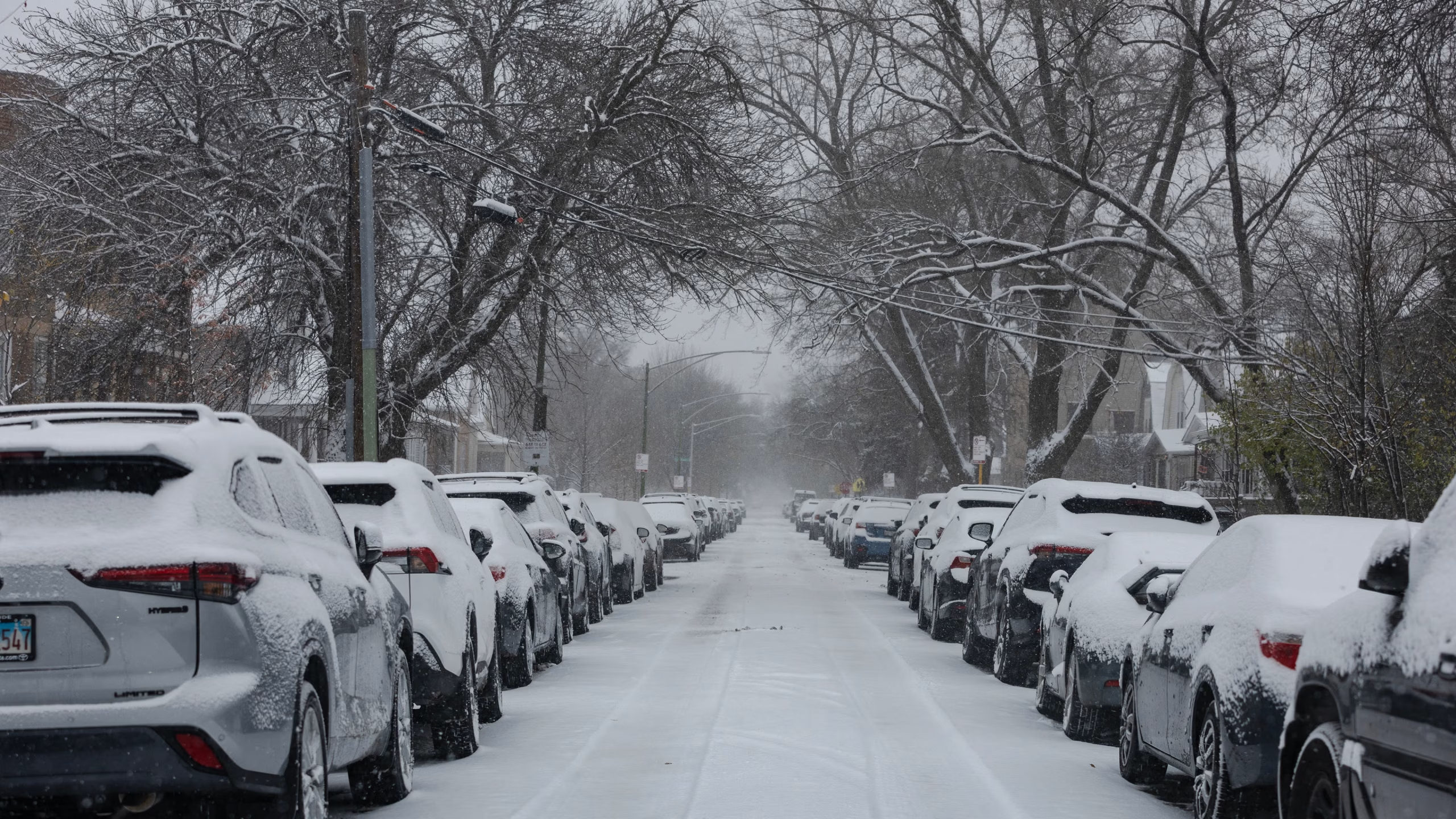
A Winter Storm Warning has been issued across parts of the United States as powerful winter weather systems continue to impact millions. With heavy snow, ice accumulation, strong winds, and dangerous travel conditions expected, Americans are being urged to take the warning seriously and prepare immediately.
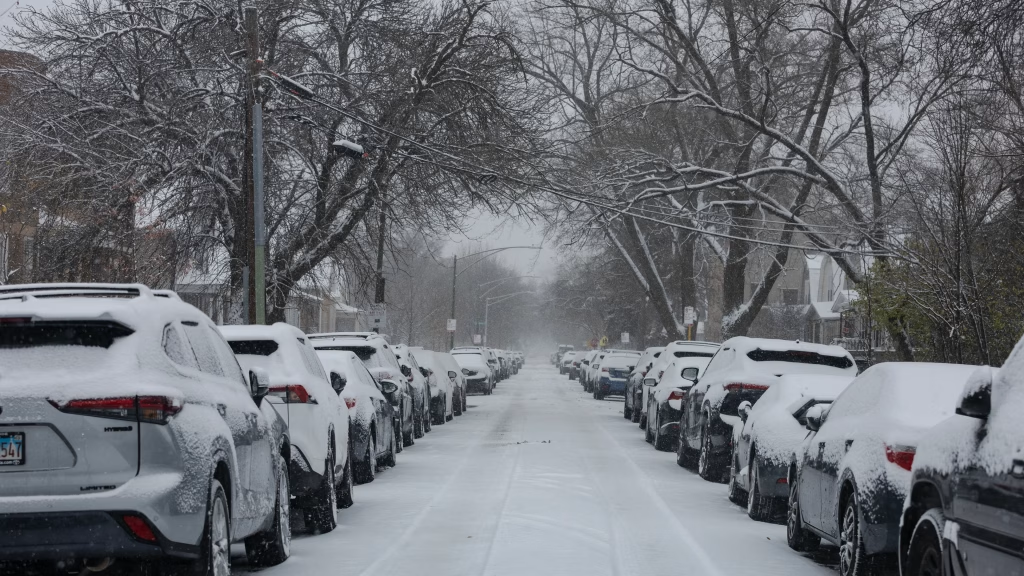
Winter storms are among the most disruptive weather events in the U.S., capable of shutting down highways, grounding flights, knocking out power, and creating life-threatening conditions in a matter of hours. Understanding what a Winter Storm Warning means—and how to respond—can make a critical difference.
What Is a Winter Storm Warning?
A Winter Storm Warning is issued by the National Weather Service (NWS) when severe winter weather is imminent or already occurring. This typically includes:
- Heavy snowfall (generally 6 inches or more in 12 hours)
- Significant ice accumulation
- Blowing and drifting snow
- Hazardous travel conditions
- Reduced visibility
Unlike a Winter Weather Advisory or Watch, a warning means immediate action is needed. Conditions are expected to worsen quickly, making travel dangerous or impossible.
Regions Commonly Affected in the U.S.
Winter Storm Warnings can impact a wide range of regions depending on the storm’s path. Frequently affected areas include:
- Midwest: Illinois, Ohio, Michigan, Wisconsin, Minnesota
- Northeast: New York, Pennsylvania, New England states
- Great Plains: Nebraska, Kansas, South Dakota
- Rocky Mountains: Colorado, Wyoming, Montana
- Southern states (during Arctic outbreaks): Texas, Oklahoma, Tennessee
In recent years, extreme cold and winter storms have increasingly reached southern states, catching many residents off guard.
What to Expect During a Winter Storm
A Winter Storm Warning often brings multiple hazards at once, making conditions especially dangerous:
Heavy Snowfall
Rapid accumulation can bury roads, block driveways, and collapse weak structures.
Ice and Freezing Rain
Ice is one of the most dangerous elements, coating roads, power lines, and trees. Even small amounts can cause widespread power outages.
Strong Winds
High winds combined with snow create whiteout conditions, reducing visibility to near zero.
Extreme Cold
Wind chills can drop to life-threatening levels, increasing the risk of frostbite and hypothermia.
Travel Disruptions and Power Outages
One of the biggest impacts of winter storms is travel disruption. Airlines frequently cancel flights, highways may close, and public transportation can shut down entirely.
Power outages are also common as ice and snow bring down power lines. Some outages can last for days, especially in rural or heavily affected areas.
Authorities strongly advise avoiding non-essential travel once a Winter Storm Warning is in effect.
How to Prepare for a Winter Storm Warning
Preparation is key to staying safe. Experts recommend taking action before conditions worsen.
At Home
- Stock up on food, water, and medications
- Charge phones and power banks
- Have flashlights and extra batteries ready
- Keep blankets and warm clothing accessible
- Set thermostats to a safe temperature
For Vehicles
- Keep your gas tank at least half full
- Carry emergency supplies: blankets, water, flashlight
- Check tires and windshield wipers
- Avoid driving unless absolutely necessary
For Families
- Check on elderly neighbors
- Make emergency plans for pets
- Know where to find local emergency updates
Staying Safe During the Storm
If you must go outside:
- Dress in layers
- Cover exposed skin
- Avoid overexertion when shoveling snow
If you lose power:
- Use generators outdoors only
- Never use grills or gas stoves indoors
- Keep one room warm and insulated
Carbon monoxide poisoning is a major risk during winter storms—proper ventilation is critical.
Why Winter Storm Warnings Are Becoming More Frequent
Meteorologists note that climate variability has led to more intense winter storms in recent years. Sudden Arctic blasts, stronger snow systems, and rapid temperature swings are becoming more common.
These changes increase the importance of early warnings and public preparedness, especially in regions not historically accustomed to severe winter weather.
What to Do After the Storm Passes
Even after snowfall ends, dangers remain:
- Black ice on roads
- Downed power lines
- Structural damage from snow load
Wait for official clearance before traveling, and report outages or hazards to local authorities.
Final Thoughts
A Winter Storm Warning is not just another weather alert—it is a serious signal that dangerous conditions are imminent. Whether you’re in the Midwest, Northeast, or a region experiencing rare winter extremes, preparation and caution can save lives.
Staying informed, limiting travel, and following safety guidance can help you and your family weather the storm safely.
As winter storms continue to impact the U.S., awareness and readiness remain the strongest defenses against nature’s harshest season.