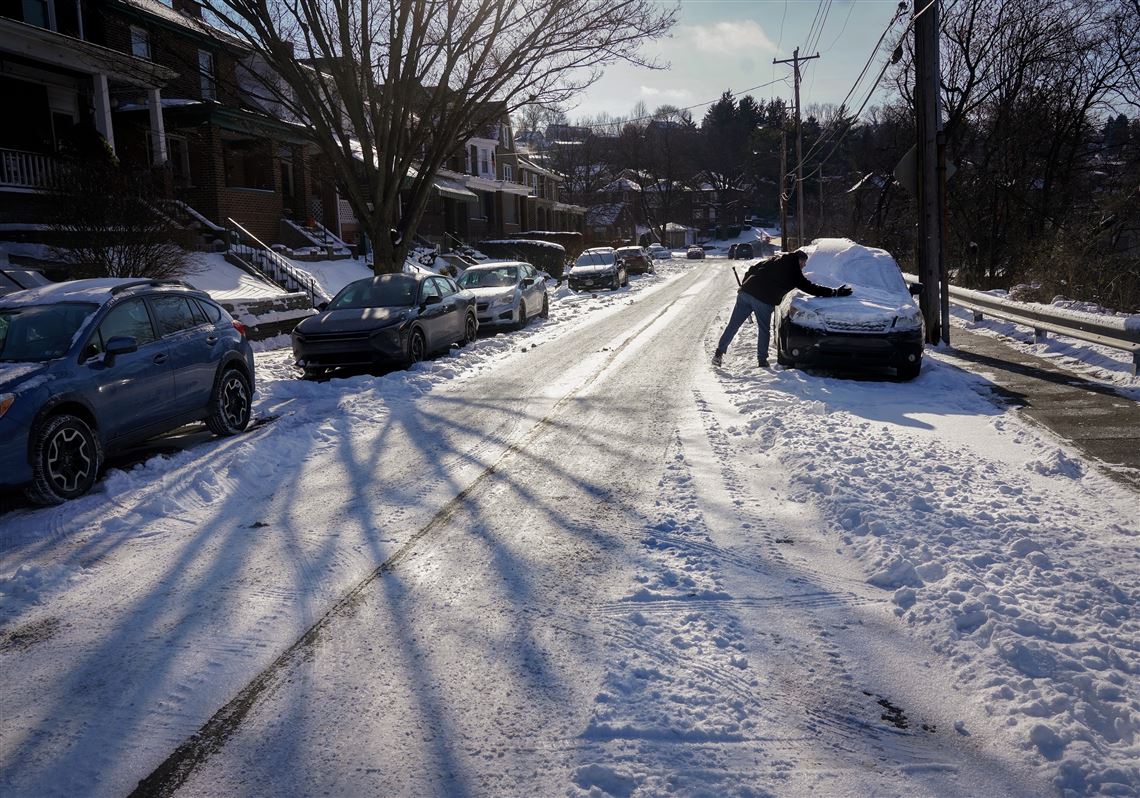
An Ice Storm Warning has been issued across parts of the United States as dangerous winter weather threatens to coat roads, power lines, and trees with thick layers of ice. Ice storms are among the most hazardous winter events, often more destructive than heavy snow due to their ability to cripple infrastructure and create life-threatening conditions.
Residents in affected areas are being urged to limit travel, prepare for power outages, and take immediate safety precautions as freezing rain continues to fall.
What Is an Ice Storm Warning?
An Ice Storm Warning is issued by the National Weather Service when significant ice accumulation is expected, usually ¼ inch (0.25 inches) or more. This level of icing can cause widespread damage, including:
- Downed power lines
- Tree limb failures
- Prolonged power outages
- Extremely dangerous road conditions
Unlike snowstorms, ice storms often appear deceptively calm—but the risks are severe and long-lasting.
Why Ice Storms Are So Dangerous
Ice storms are particularly dangerous because freezing rain forms a solid, transparent layer of ice that adheres to nearly every surface.
Major hazards include:
- Roads turning into sheets of ice, making driving nearly impossible
- Power lines snapping under the weight of ice
- Trees collapsing, damaging homes and vehicles
- Slips and falls, even during short walks outside
Even experienced winter drivers struggle during ice storms, which is why officials strongly advise staying off the roads.
Regions Commonly Impacted in the U.S.
Ice Storm Warnings most frequently affect:
- The Midwest (Illinois, Indiana, Ohio, Michigan)
- The Northeast (New York, Pennsylvania, New England)
- The Ohio Valley
- Parts of the South during Arctic air outbreaks
In recent years, ice storms have increasingly impacted southern states, where infrastructure is often less prepared for prolonged freezing conditions.
Travel Disruptions and Power Outages
Ice storms often bring major transportation disruptions:
- Highways and bridges become impassable
- Flights are delayed or canceled
- Public transit services may shut down
Power outages are one of the most serious consequences. Ice accumulation causes power lines to sag or snap, sometimes leaving communities without electricity for days.
Residents should prepare for:
- Loss of heat
- Limited communication
- Disrupted water systems
How to Prepare Before the Ice Storm Hits
Preparation can significantly reduce risk and stress during an ice storm.
At Home
- Stock at least 3 days of food and water
- Charge all electronic devices and power banks
- Have flashlights, batteries, and blankets ready
- Set refrigerators and freezers to colder settings
- Keep medications easily accessible
For Vehicles
- Avoid driving if possible
- Keep emergency kits: blankets, flashlight, water
- Fill your gas tank ahead of time
- Park vehicles away from trees and power lines
What to Do During an Ice Storm Warning
When an Ice Storm Warning is active:
- Stay indoors as much as possible
- Avoid walking on icy surfaces
- Keep windows and doors closed to retain heat
- Use generators outdoors only, never inside homes
Never use grills, ovens, or gas stoves for heating, as this can lead to carbon monoxide poisoning.
Safety Tips During Power Outages
If power goes out:
- Use flashlights instead of candles
- Keep one room warm and insulated
- Wear layers to conserve body heat
- Check on elderly neighbors and those with medical needs
If using a fireplace, ensure proper ventilation and never leave fires unattended.
After the Ice Storm Passes
Danger doesn’t end when precipitation stops. Ice can linger for days.
Be cautious of:
- Falling tree limbs
- Downed power lines
- Black ice on roads and sidewalks
Only travel once authorities confirm roads are safe. Report outages and hazards to local emergency services.
Why Ice Storm Warnings Are Increasing
Meteorologists note that climate variability is contributing to more frequent freezing rain events. Rapid temperature swings—where warm air overlays freezing surface temperatures—create ideal conditions for ice storms.
This makes Ice Storm Warnings increasingly important for public safety, especially in regions unaccustomed to severe icing.
Final Thoughts
An Ice Storm Warning is one of the most serious winter weather alerts. While ice storms may not look dramatic, their impact can be devastating—causing long power outages, dangerous travel conditions, and significant damage.
Staying informed, preparing early, and following safety guidance can help protect lives and property. When ice storms strike, patience and preparedness are the best defenses.